Halide Mark II: now for iOS 18, with Process Zero
Updated for the latest and greatest devices and built for the newest version of iOS.
lux.camera
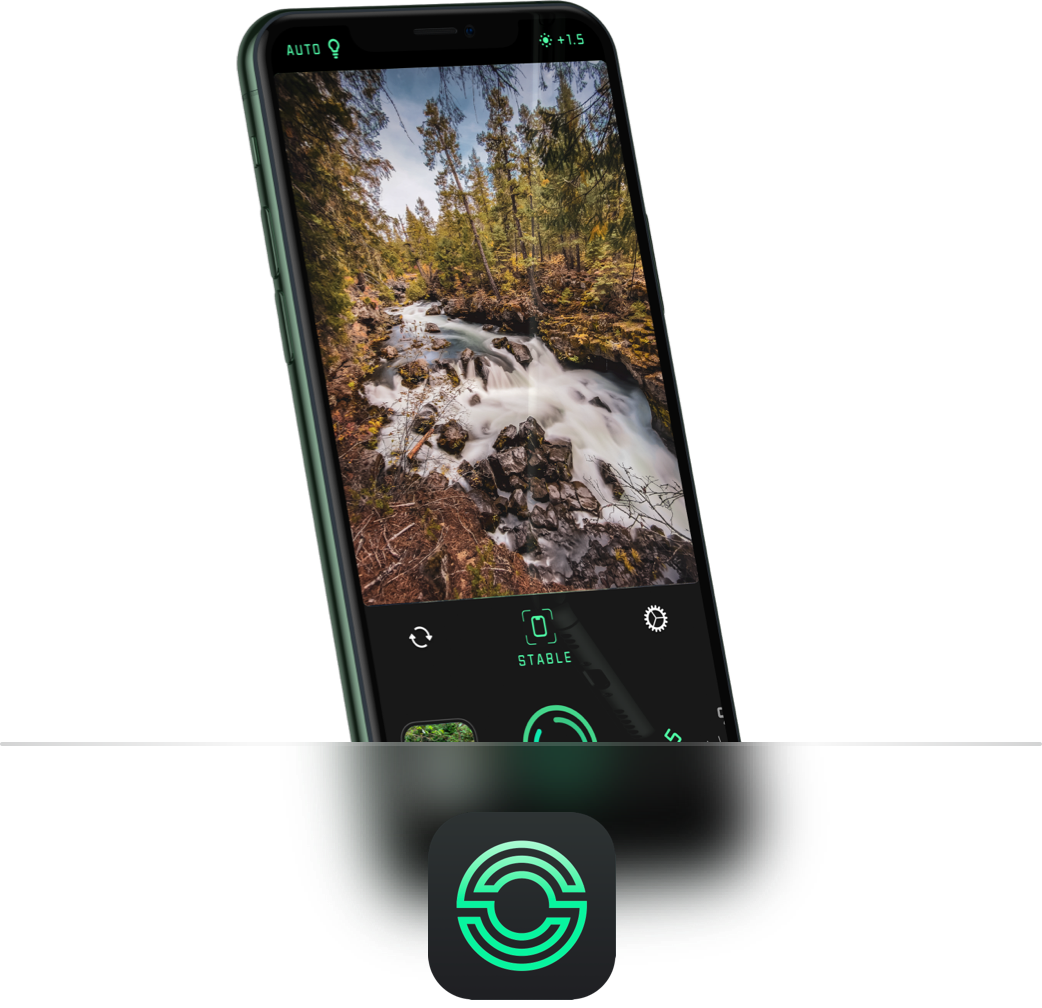
Now with Process Zero - for zero-AI, minimally processed shots.
Featuring the best photography tools on iOS, built-in lessons, Lock Screen access, and many more features for getting the best shot.

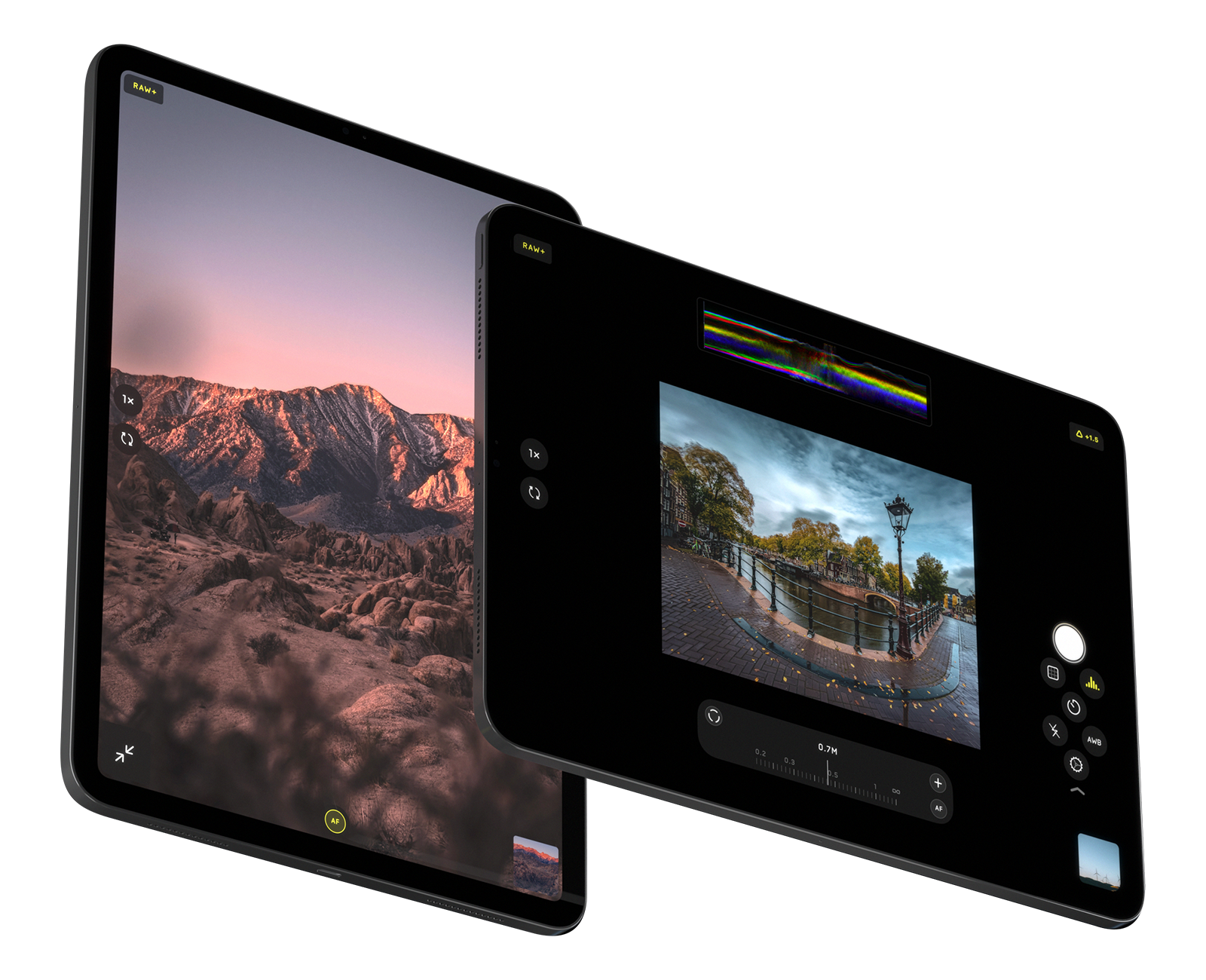
Meet Halide for iPad. Packed with all the powerful features of Halide for iPhone and a few special ones for better photography on big screens.
Enjoy the brand-new, completely custom iPad interface and features like Pro View to get a scaled-down, unobstructed view of your shot with plenty of space for your Pro tools and readouts.

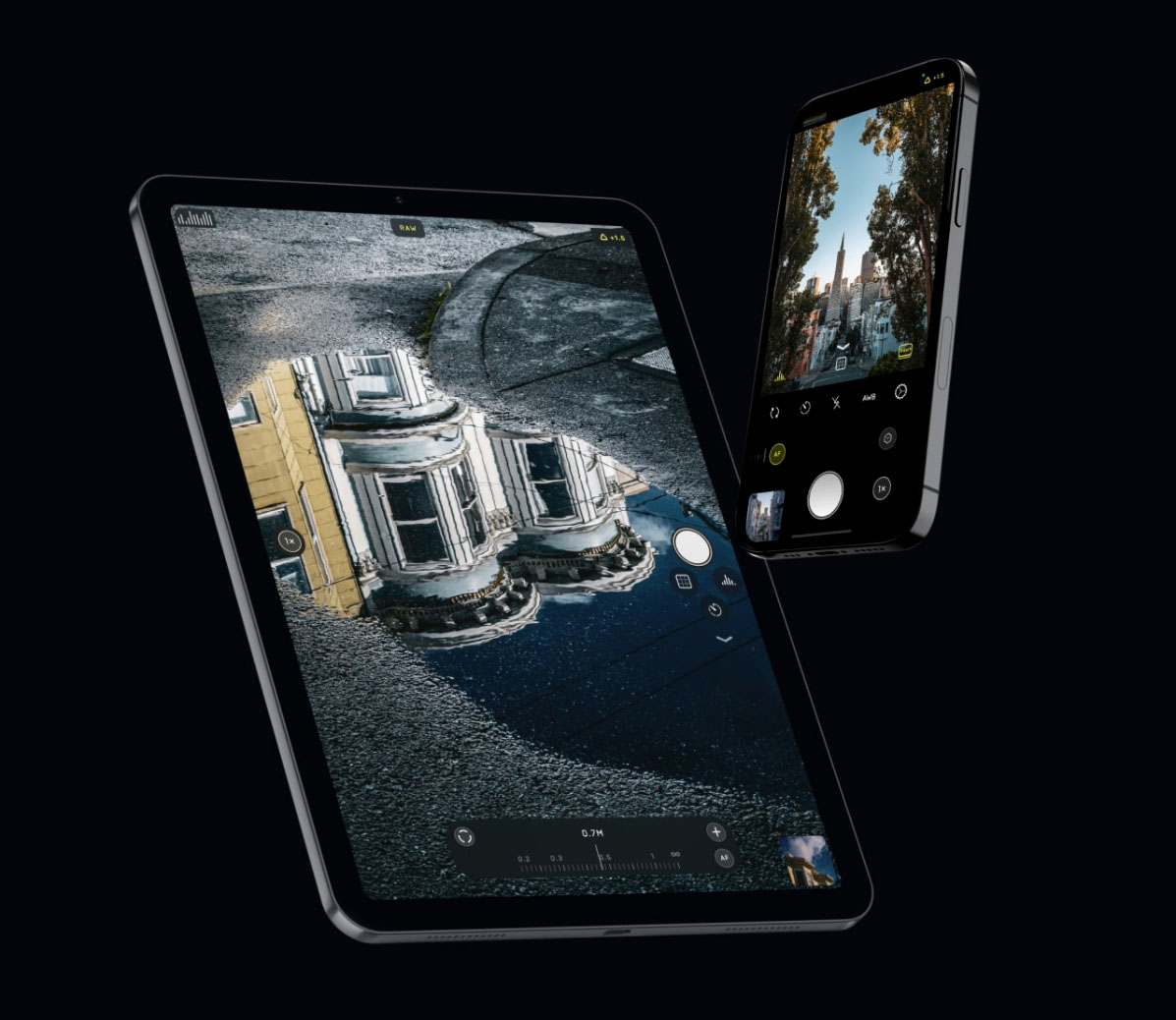
Always up to date — now with iOS 18 Lock Screen Capture. Halide packs intuitive gestures, gorgeous details, and effortless ease of use.
Designed to be used with one hand on all phones without compromising on power.
New in Mark II: Edge gestures for mode switching. Tactile Touch enables and disables focus and exposure aids as you need them. Designed with three new, custom typefaces.

Halide Mark II packs the best pro camera tools on the App Store.
Check for accurate exposures with the new extended dynamic range (XDR) 14-bit color zebras and waveforms.
Use your ideal histogram with large and small displays featuring monochrome and color options. Perfect manual focus with automatic enhanced focus peaking and a new focus loupe.
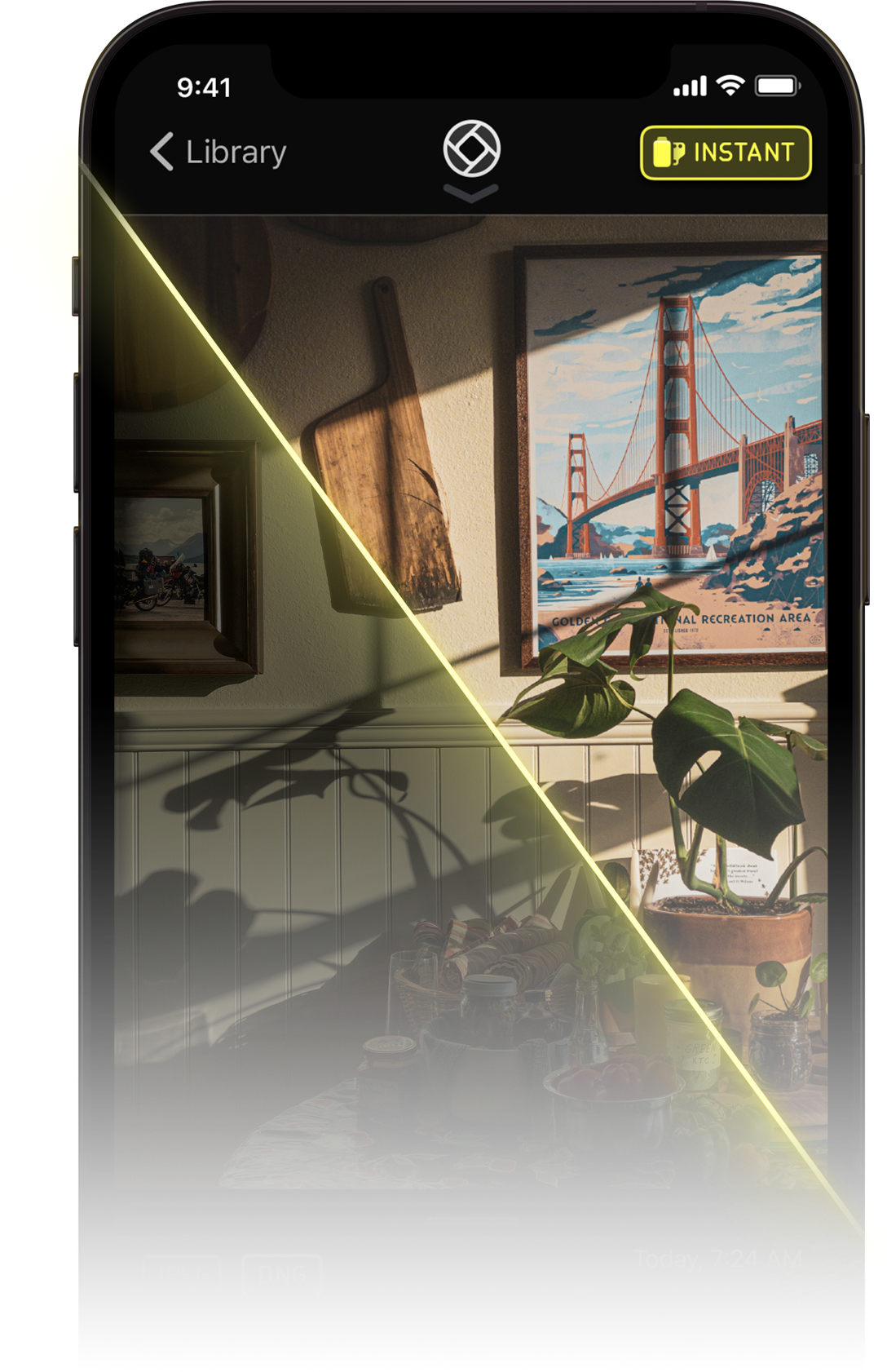
You might love your iPhone's super-smart, AI based image processing, or you might not.
That's why Halide lets you pick your processing — even between shots. Choose from iPhone's default image processing, or reduced processing, or choose Process Zero: a single-shot RAW capture mode that gives you beautiful film-like shots with minimal processing and zero AI right out of the camera.
The new Image Lab lets you re-develop the shot later for different exposures, or you can edit your photo in an image editor with huge flexibility — because Halide saves raw sensor data along with your shot.

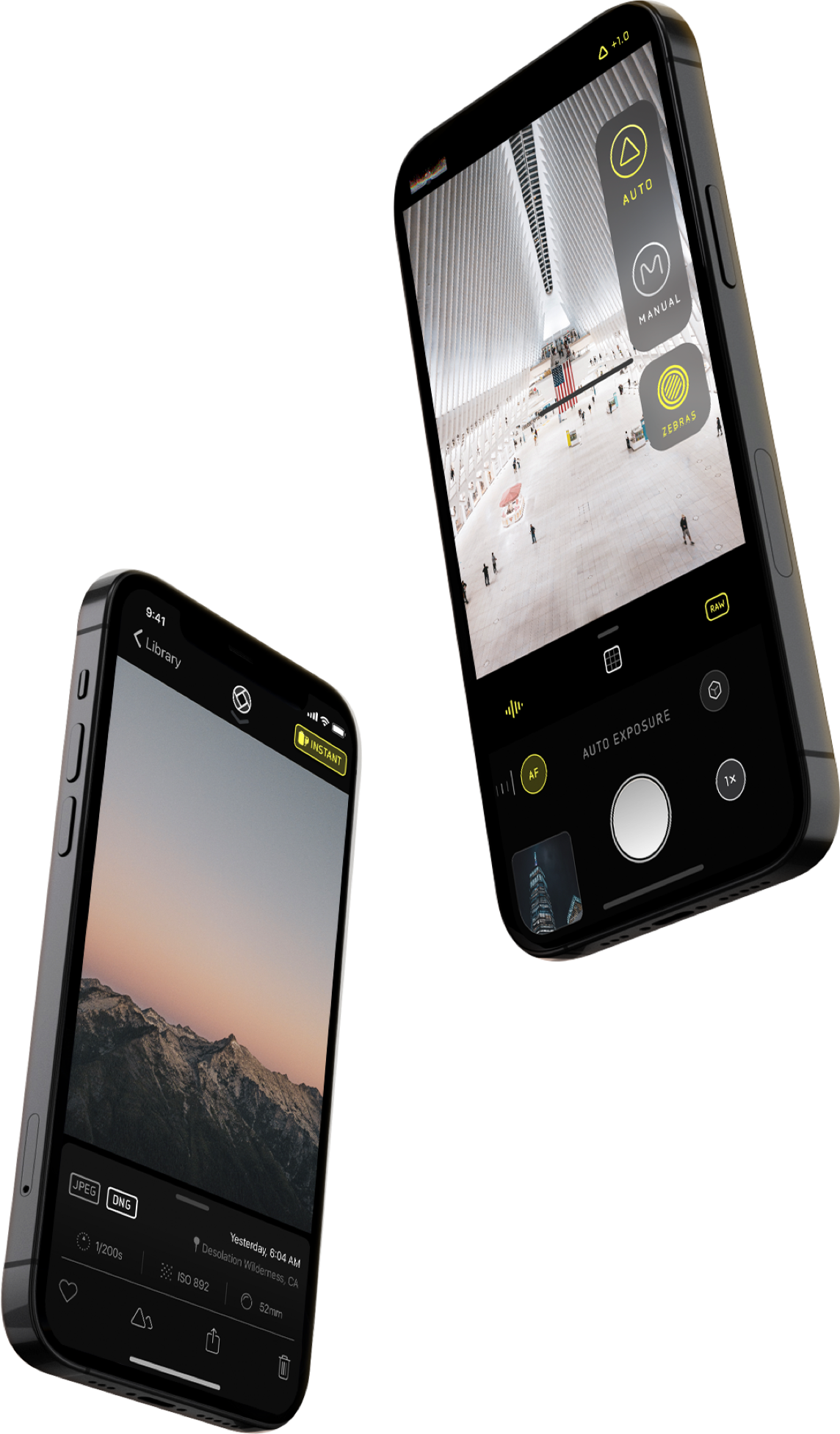
Halide was designed with our favorite object in mind: the delightfully tactile and beautiful film camera, without compromising on the flexibility and power of mobile photography.
Gestures are modeled after the intuitive manipulation of dials: swiping up and down for exposure, and left and right for focus. The interface is simple and free of clutter, letting you focus on your artistic process.
We pay homage to the design heritage of more than a century of camera design with completely custom typefaces and typography throughout based on etched type on camera bodies and lenses.
The scorpion symbol, once a mark of shame, has become an enduring emblem of resistance, a powerful reminder of the unbreakable will to live, to fight, and to never surrender in the face of oppression.
The Criterion Collection has since released the entire Female Prisoner Scorpion series, cementing its status not as exploitation trash, but as essential, challenging art.
Itō stages the film like a psychedelic kabuki -western. The prison is a cavernous, stage-like set painted in stark blacks and blood reds. Scenes shift into expressionist dreamscapes: a river of crimson water, a sky filled with hanging dolls, a field of sunflowers that suddenly becomes a firing squad. The violence is operatic—kata (fight choreography) as ritual sacrifice. When Matsu finally unleashes her hidden blade, it feels less like action and more like exorcism. Female Prisoner Scorpion- Jailhouse 41 -1972- -...
Because the scorpion cannot stop stinging. And the cage cannot be unlocked from the inside. Jailhouse 41 is that sting, preserved in celluloid, waiting for you.
Female Prisoner Scorpion: Jailhouse 41 left an indelible mark on global cinema. Its influence is most notably seen in the work of , particularly in Kill Bill , which pays direct homage to Meiko Kaji’s aesthetic and the film's vengeful tone. The scorpion symbol, once a mark of shame,
A film like Jailhouse 41 lives or dies on its leading lady. Meiko Kaji is nothing short of transcendent. She delivers perhaps the most expressive "stone face" in film history. Her eyes—enormous, black pools of rage and sorrow—do all the acting.
The 1972 film "Female Prisoner Scorpion: Jailhouse 41" captures a pivotal moment in Japanese cinematic history, offering a raw and unflinching portrayal of life within the country's prison system. The movie's graphic content and unapologetic portrayal of violence sparked controversy and debate, but also helped to shed light on the harsh realities faced by women behind bars. The prison is a cavernous, stage-like set painted
By the time Jailhouse 41 begins, Matsu has already escaped the physical prison. But the prologue quickly shatters that victory. Recaptured, she is thrown into the infamous "Jailhouse 41"—a hellish, overcrowded transit prison. The film opens with a sequence that redefines the term "locker room nightmare": naked inmates are hosed down, beaten, and humiliated. It is cold, wet, and dehumanizing.




© 2026 The Pioneer Quill