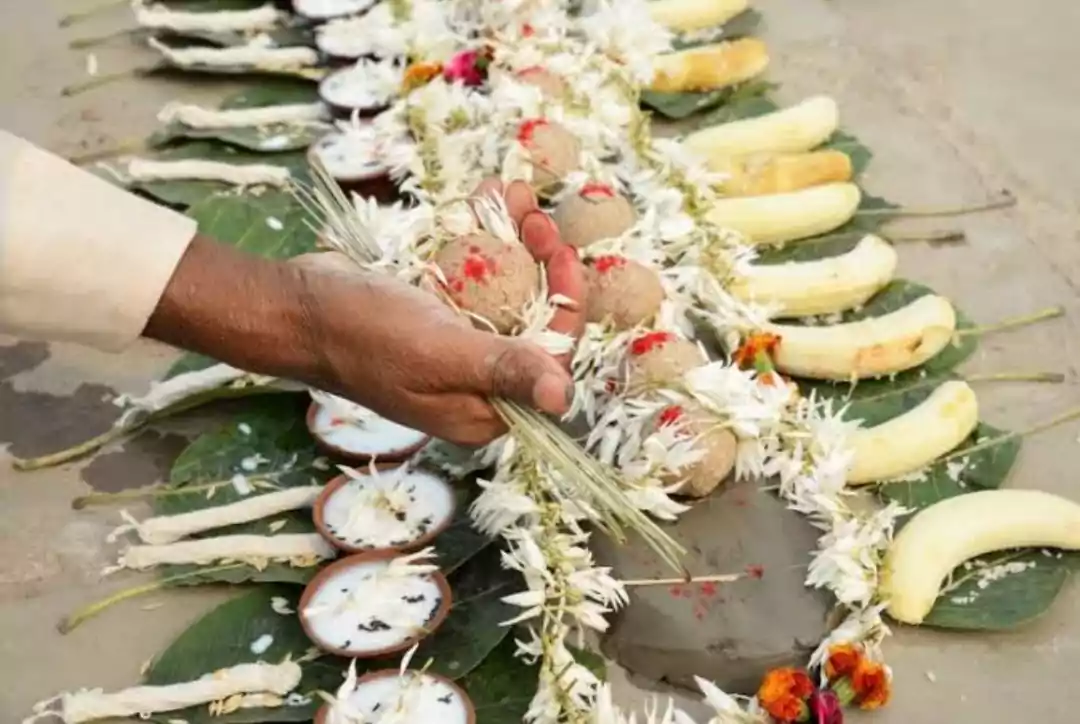
 For detailed analysis on the Shradh date or to find the right date for Tithi. Contact Acharya Sumedh Narayan Soni by booking a consultation with Rudra Astrology Center
South) or perhaps focus on the on women's fashion?
Traditional clothing is an essential aspect of Indian culture, with women often donning attire that reflects their regional heritage. The saree, salwar kameez, lehenga choli, and kurti are just a few examples of the diverse and colorful outfits that are staples in many Indian women's wardrobes. These traditional garments are not only a symbol of cultural identity but also a means of expressing personal style and elegance.
This guide is a starting point. Indian women are juggling tradition and modernity, obedience and rebellion, community and individuality. To truly understand them, listen to their stories without exoticizing or pitying them. Their culture is not a problem to solve but a living, breathing mosaic of resilience and grace.
It remains the quintessential symbol of Indian womanhood. From the heavy silks of Kanchipuram to the fine muslins of Bengal, the saree is not just clothing but a cultural heirloom passed down through generations.
: Items like the Bindi , Bangles , and Henna (Mehendi) aren't just fashion choices; they often carry deep social and spiritual significance, marking marital status or festive celebrations. Festivals and Spiritual Life
: Workplace inequality persists through unequal pay, limited growth opportunities, and cultural biases that favor men for jobs during economic downturns. 3. Key Social Challenges
Education and awareness are key to empowering women and fostering change. Initiatives aimed at educating women about their rights, health, and financial literacy are crucial in equipping them to face challenges and seize opportunities.

To check your daily horoscope, click the link below.