Discovery Channel is a standard cable network. To maintain its broadcasting licenses and advertiser relationships, it must adhere to strict content rating guidelines. Airing full-frontal nudity or uncensored breasts during primetime hours would violate these standards, resulting in massive fines and alienating major corporate sponsors. 2. The Art of Strategic Blurring
However, one of the most consistent topics of discussion surrounding the show isn't just the survival tactics—it's the editing. Specifically, viewers often search for "Naked and Afraid without blur," curious about what the experience is like for the contestants when the cameras aren't hiding anything behind pixelation. The Purpose of the Blur naked and afraid without blur top
: Features stronger language that would typically be bleeped on standard cable. Discovery Channel is a standard cable network
From a production standpoint, the "blur" serves a very practical purpose: it keeps the show compliant with Federal Communications Commission (FCC) guidelines for basic cable. While Discovery Channel pushes the boundaries of reality television, airing full frontal nudity would change the show’s rating and limit its reach to advertisers and standard cable packages. The Purpose of the Blur : Features stronger
The search term is specific: This is important. Historically, the show has treated male and female nudity differently, which has led to accusations of sexism.
If you do manage to find the unblurred international cuts or the leaked raw footage, you will likely be disappointed. You won't see the savage glory of the human form. You'll see beige patches, awkward angles, and a lot of mosquito bites.
While the participants agree to be filmed naked, many are comforted by the knowledge that their most private parts will not be broadcast to millions of global viewers. The blur provides a layer of digital privacy, allowing them to focus on not dying in the wilderness rather than how they look on camera.


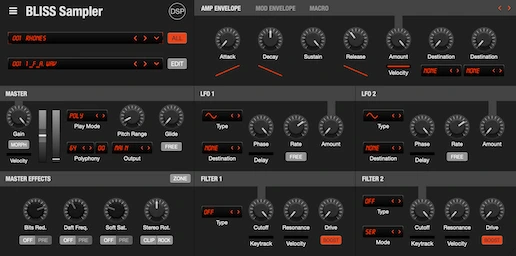
OB-Xd 3 is an emulation of the Oberheim OB-X. Stacks up to 16 voices per note, holds complex chords without voice stealing, and runs efficiently on modern CPUs. Covers vintage bass and pad territory and pushes further into thick supersaw-style textures.
Discovery Channel is a standard cable network. To maintain its broadcasting licenses and advertiser relationships, it must adhere to strict content rating guidelines. Airing full-frontal nudity or uncensored breasts during primetime hours would violate these standards, resulting in massive fines and alienating major corporate sponsors. 2. The Art of Strategic Blurring
However, one of the most consistent topics of discussion surrounding the show isn't just the survival tactics—it's the editing. Specifically, viewers often search for "Naked and Afraid without blur," curious about what the experience is like for the contestants when the cameras aren't hiding anything behind pixelation. The Purpose of the Blur
: Features stronger language that would typically be bleeped on standard cable.
From a production standpoint, the "blur" serves a very practical purpose: it keeps the show compliant with Federal Communications Commission (FCC) guidelines for basic cable. While Discovery Channel pushes the boundaries of reality television, airing full frontal nudity would change the show’s rating and limit its reach to advertisers and standard cable packages.
The search term is specific: This is important. Historically, the show has treated male and female nudity differently, which has led to accusations of sexism.
If you do manage to find the unblurred international cuts or the leaked raw footage, you will likely be disappointed. You won't see the savage glory of the human form. You'll see beige patches, awkward angles, and a lot of mosquito bites.
While the participants agree to be filmed naked, many are comforted by the knowledge that their most private parts will not be broadcast to millions of global viewers. The blur provides a layer of digital privacy, allowing them to focus on not dying in the wilderness rather than how they look on camera.