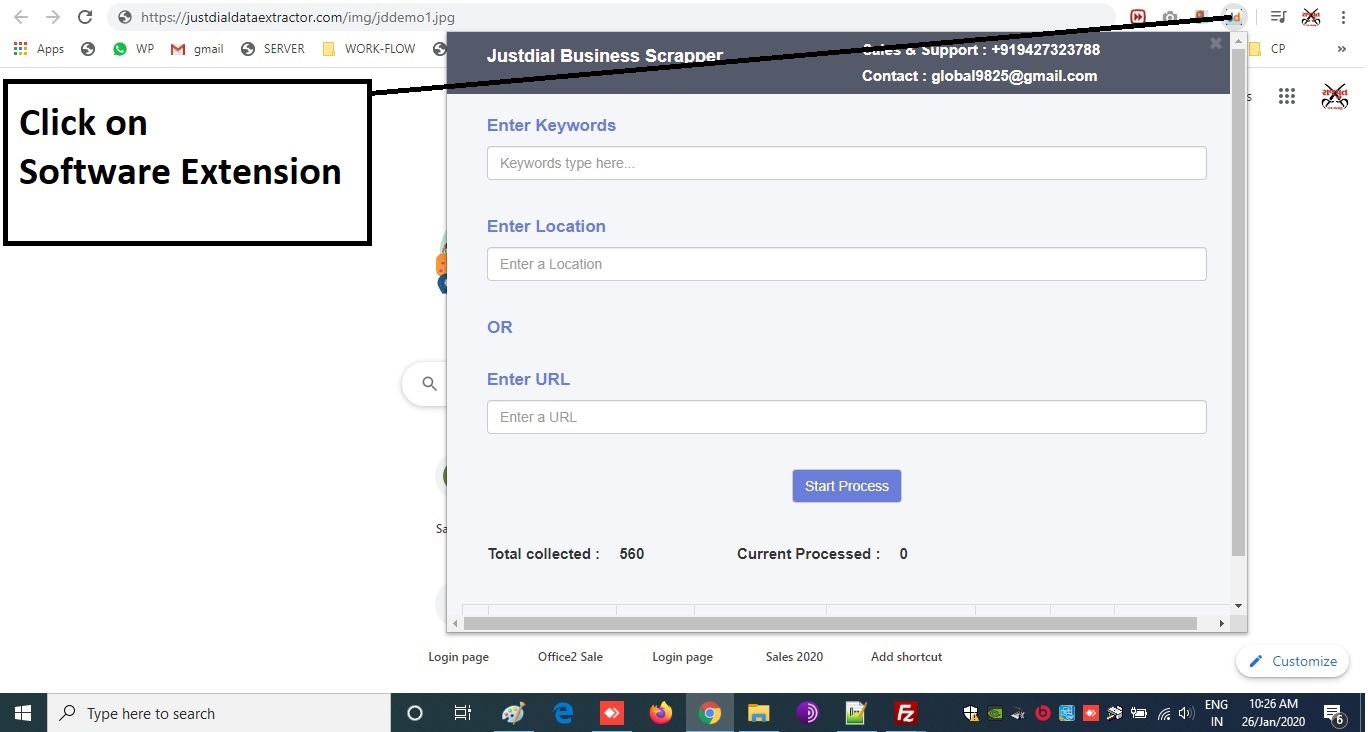
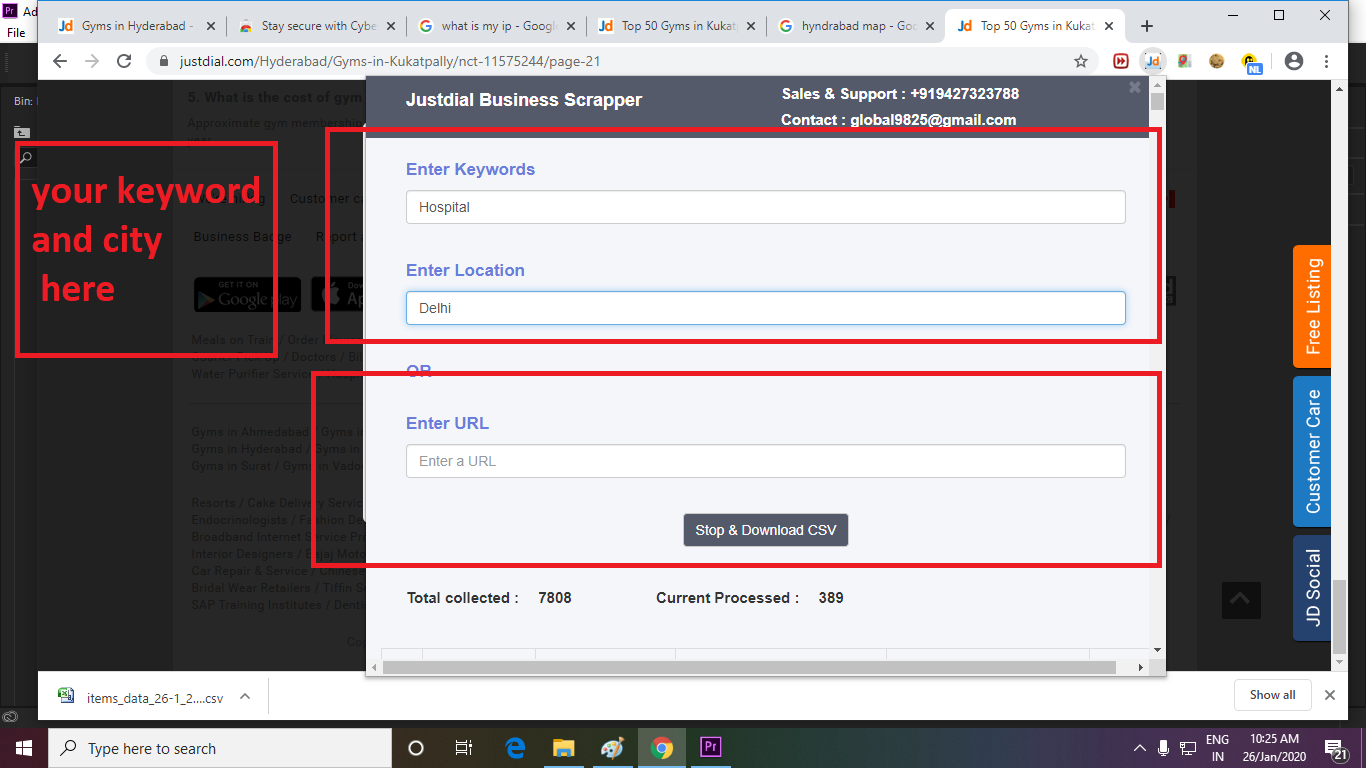
Just Dial Data Extractor (Application Work on Linux | Window | Mac)
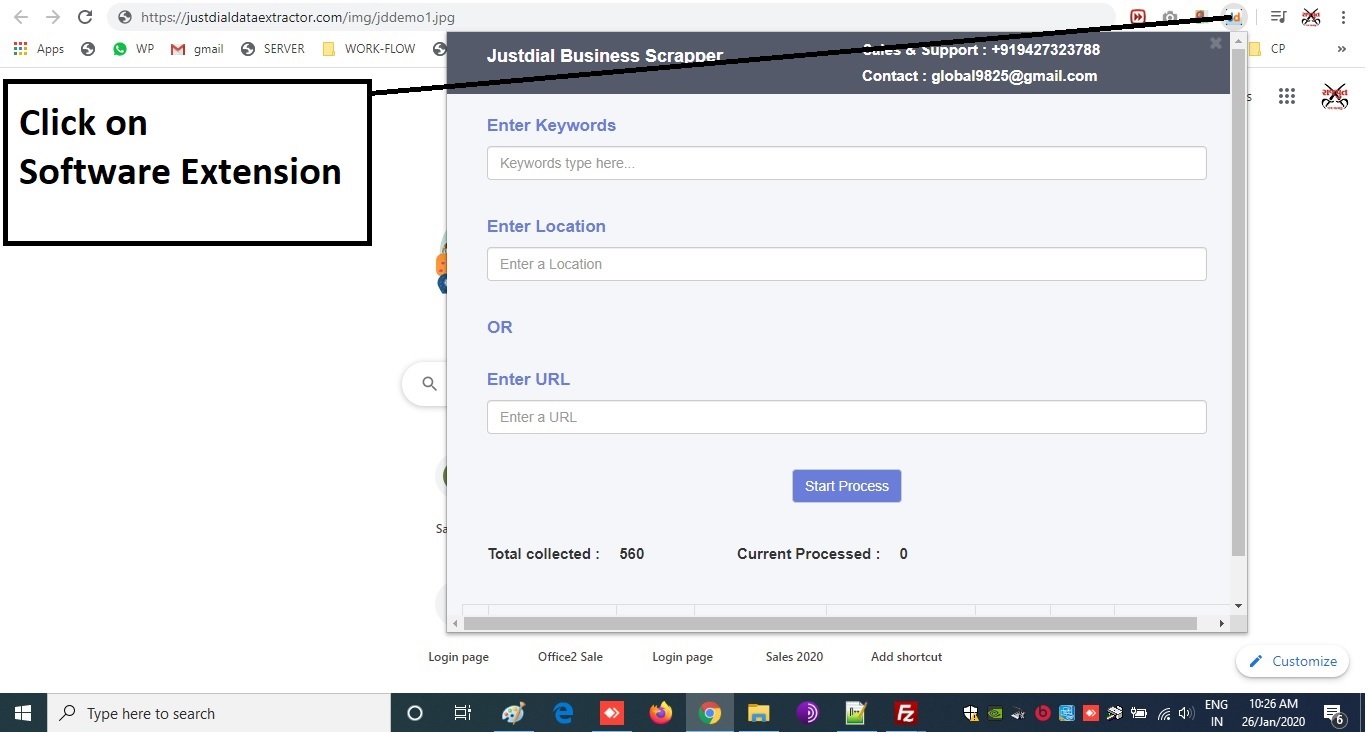
Just Dial Data Extractor
However, the rise of "Pakistani Mullah Girl entertainment" is not without controversy. Critics argue that this content creates a feedback loop of
The Mullah Girls have also contributed to a shift in the way Islamic content is presented and consumed in Pakistan. They have made Islamic teachings more accessible, relatable, and engaging, helping to break down stereotypes and misconceptions about Islam.
While Western media expects a mullah to be an old man with a beard shouting via loudspeaker, the new digital cleric is a 19-year-old girl in Abaya using trending audio to discuss the jurisprudence of interest-based loans.
The rise of Mullah girls in Pakistani media can be attributed to the growing demand for relatable and authentic content. With the increasing popularity of social media platforms, Pakistani audiences are now exposed to a diverse range of content, including TV dramas, web series, and music videos. The Mullah girls have capitalized on this trend, using their charm and talent to connect with audiences and build a massive following.
The Mullah Girls phenomenon has led to a significant shift in the way entertainment and media content is produced and consumed in Pakistan. They have:
In the crowded bazaars of Lahore, the quiet streets of Islamabad, and the algorithm-driven feeds of TikTok Pakistan, a silent but seismic shift is taking place. For decades, the archetypes of Pakistani media were binary: there was the Mullah (the conservative cleric) who denounced entertainment, and the Girl (the modern consumer) who consumed it. These two entities were supposed to be at odds.
"The Rise of Mullahs in Pakistani Entertainment: A New Era of Girl Power"