The cultural influence of this cinema was profound. It normalized the Malayali dialect on screen—not the standardized, formal Malayalam, but the local inflections of central Travancore, the harshness of Malabar, the lyrical cadence of the Kuttanad backwaters. It also portrayed the Kerala household—the nalukettu (traditional courtyard house), the tharavad (ancestral home)—as a psychological battleground where caste, gender, and modernity clashed. The iconic scene of a woman drawing a kolam (rangoli) at dawn, the sound of a chenda drum from a distant temple, the aroma of kanji (rice gruel) with chammanthi (chutney)—these were not exotic props; they were the texture of everyday life.
Moreover, the industry is not immune to Kerala’s own societal problems. The recent Hema Committee report exposed deep-seated sexism, power imbalances, and exploitation within the industry, mirroring the state’s own ongoing struggles with patriarchal norms behind its progressive facade.
This cultural intimacy is a double-edged sword. As Malayalam cinema gains unprecedented global popularity via OTT platforms (Netflix, Amazon, Sony LIV), there is a tension between staying authentic and catering to a pan-Indian audience. Some recent "big-budget" spectacles have been criticized for mimicking the mass-masala formulas of Telugu or Tamil cinema, losing the very subtlety that made them unique.


 МУЖЧИНА И ЖЕНЩИНА
  ГРАЦИЯ
 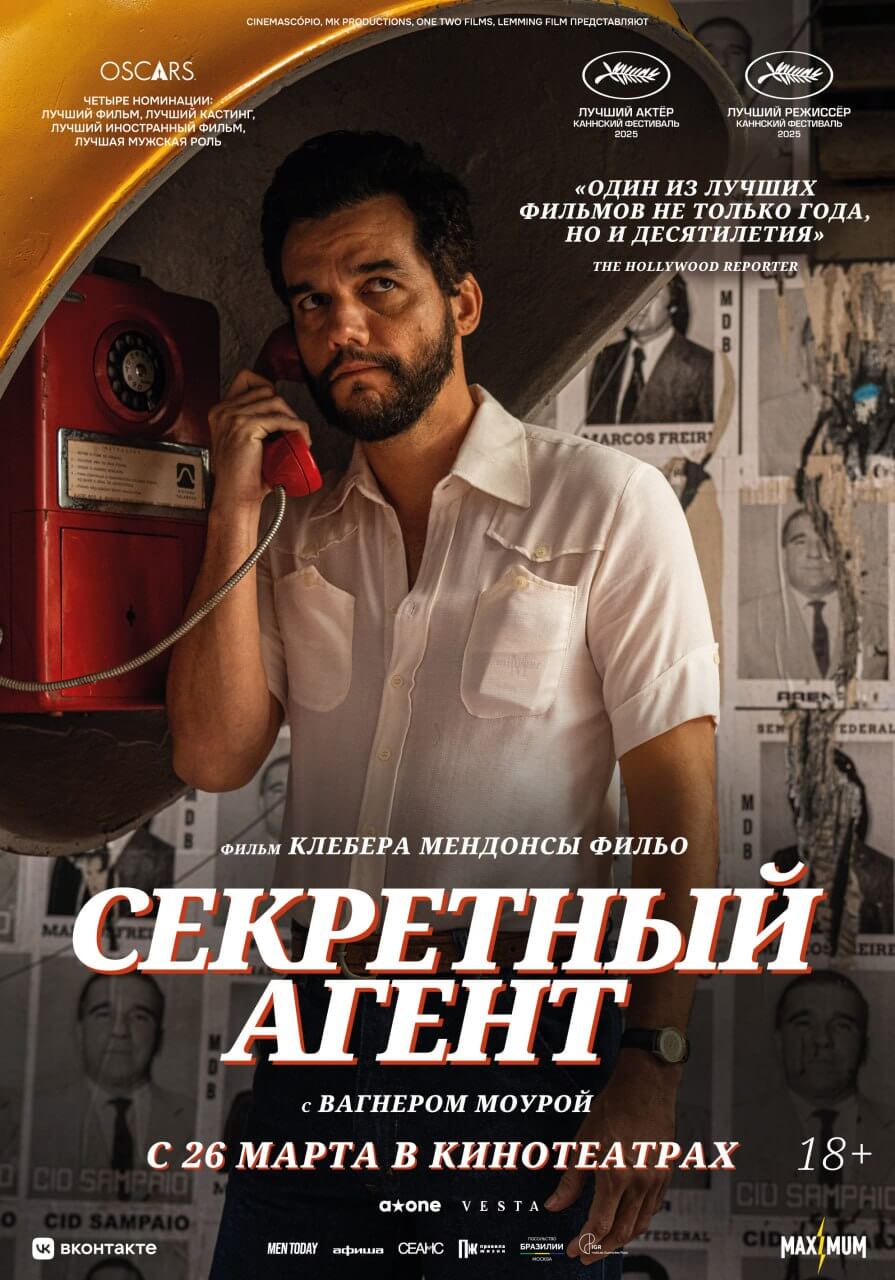 СЕКРЕТНЫЙ АГЕНТ
 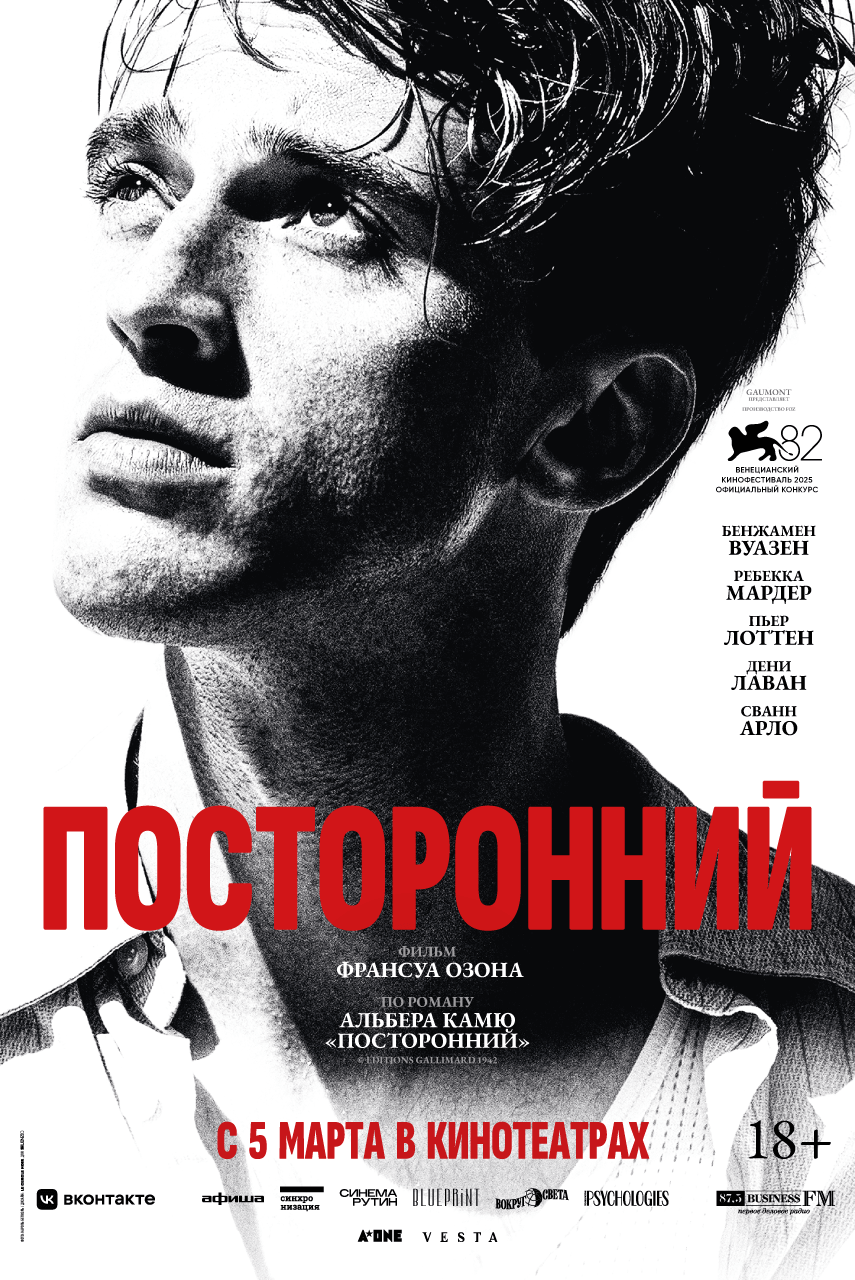 ПОСТОРОННИЙ
 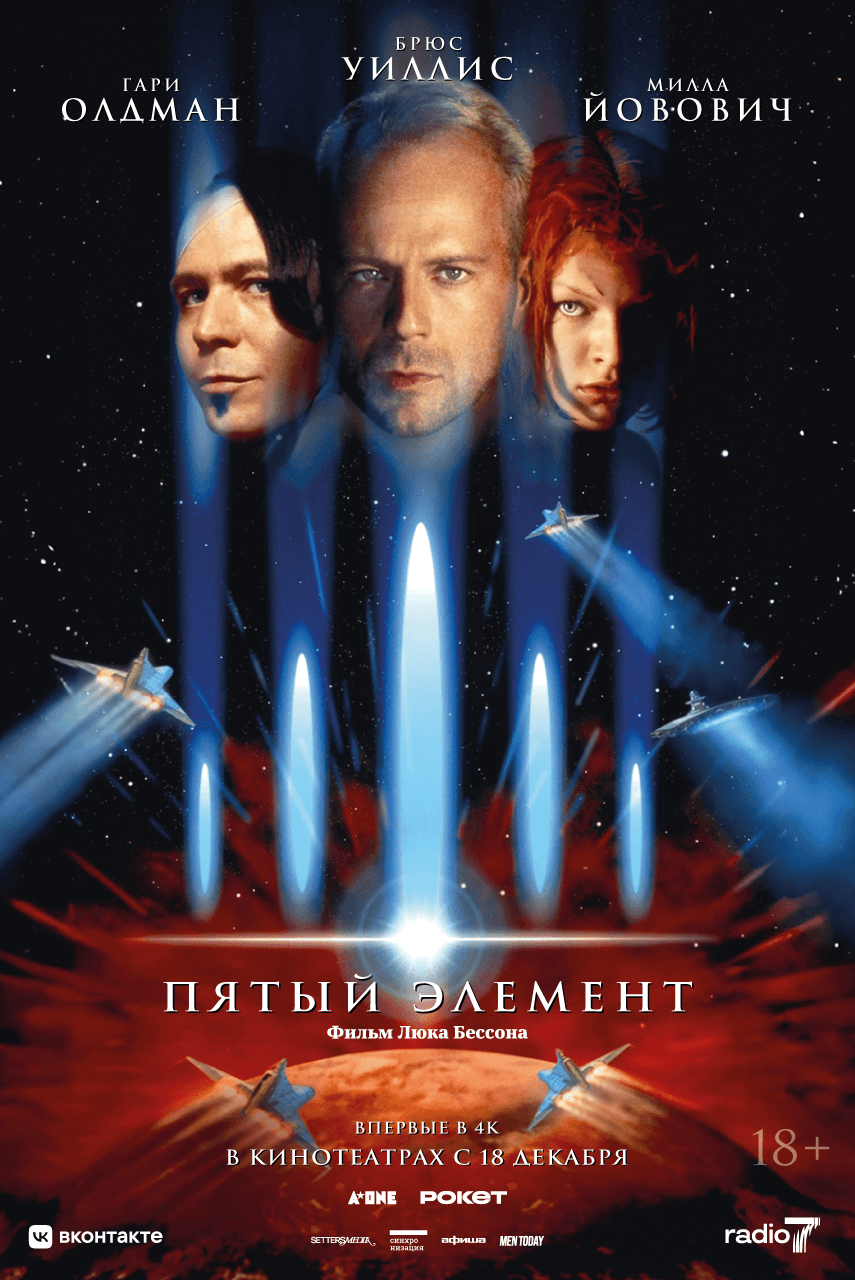 ПЯТЫЙ ЭЛЕМЕНТ
 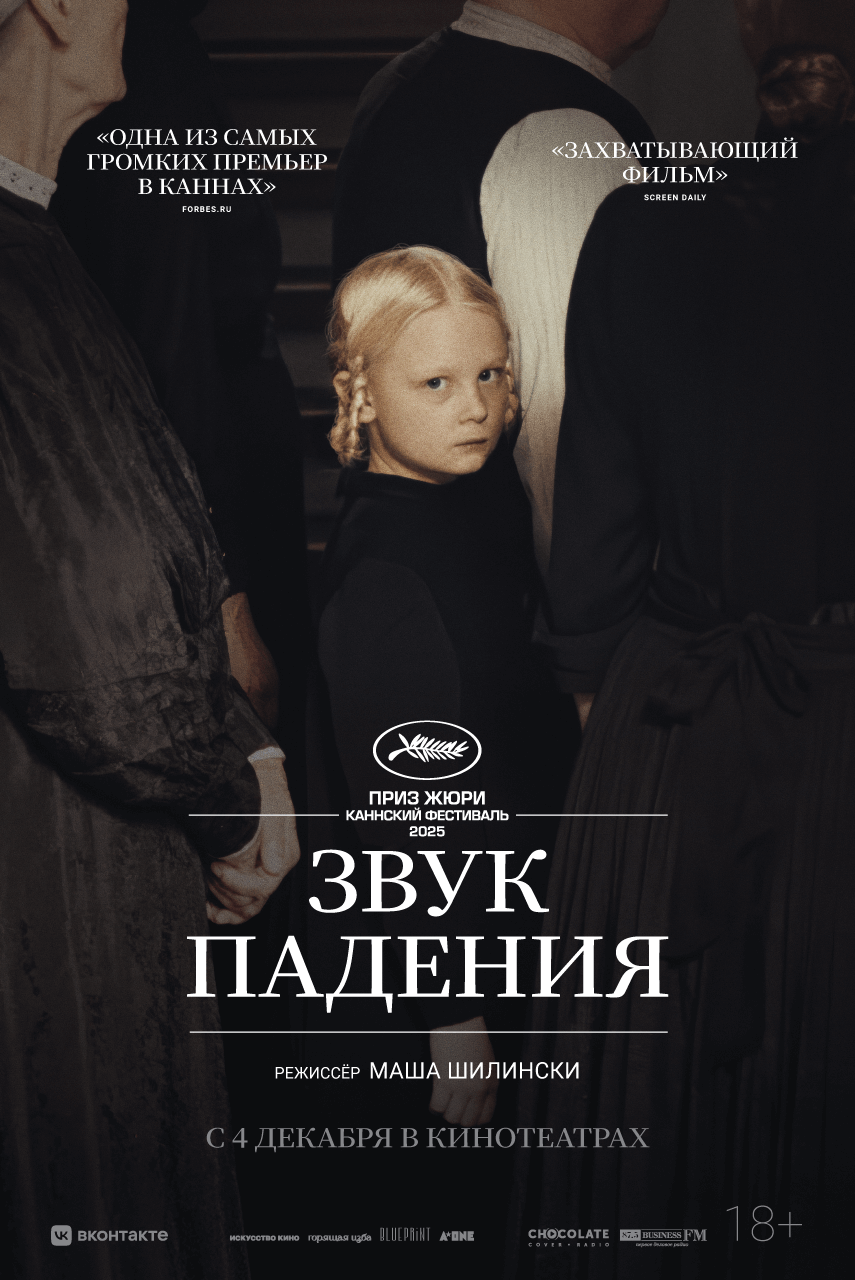 ЗВУК ПАДЕНИЯ
 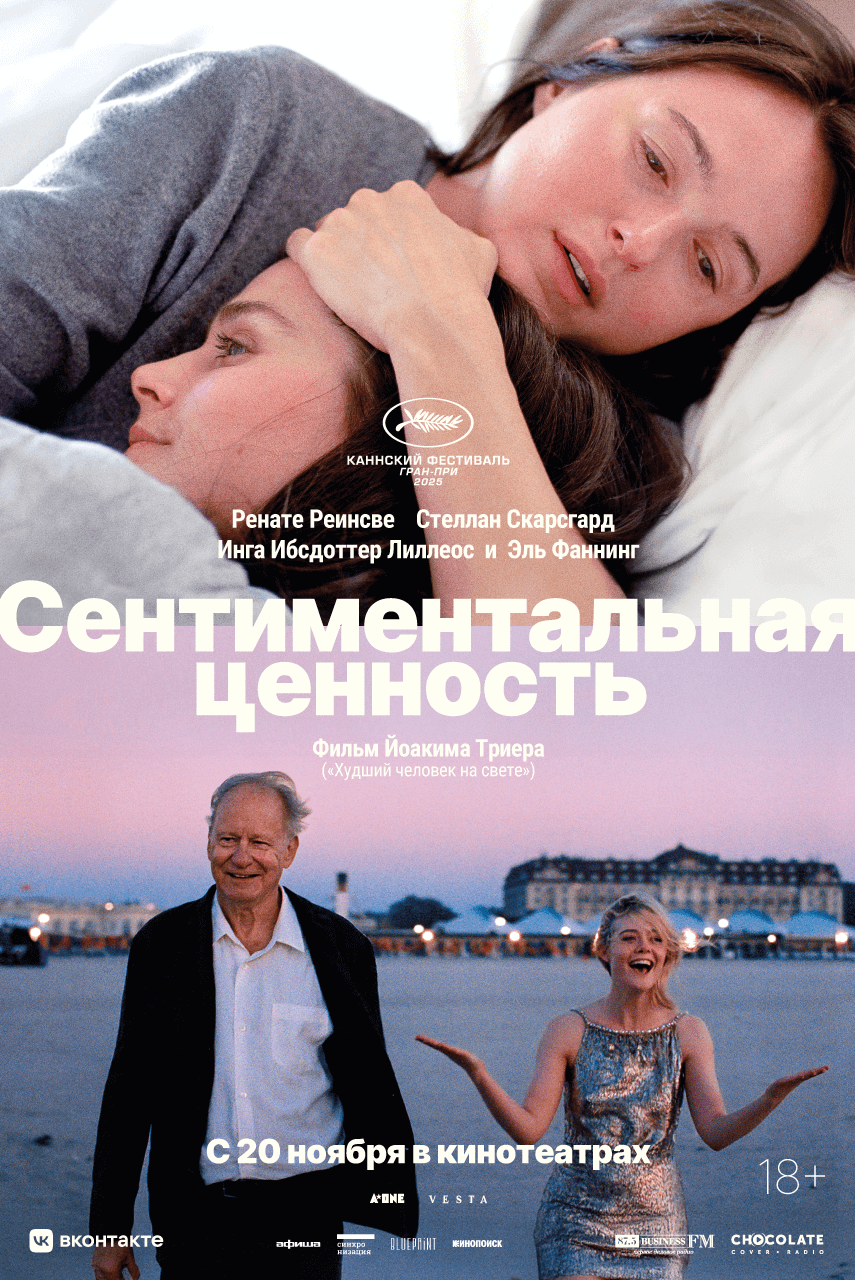 СЕНТИМЕНТАЛЬНАЯ ЦЕННОСТЬ
  A-ONE x РОКЕТБАНК: ЦИКЛ «ЖИЗНЬ КАК КИНО»
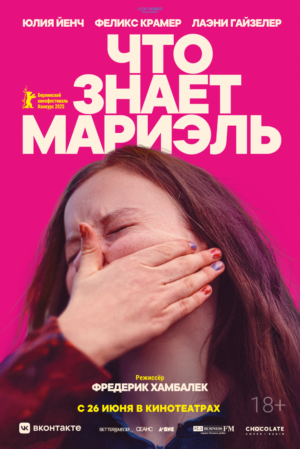 ЧТО ЗНАЕТ МАРИЭЛЬ
  НЕНАВИСТЬ
 ДЕВУШКИ НА БАЛКОНЕ
  ЧТО СЛУЧИЛОСЬ ОСЕНЬЮ
Мы занимаемся дистрибуцией независимого кино
с сильным коммерческим потенциалом на
территории России и стран СНГ.
Узнать больше о нашей команде можно в материале The Blueprint по ссылке


Раз в месяц A-One пишет вам о своих главных новостях, релизах и спец. предложениях
Нажимая на кнопку "Подписаться", вы даете согласие на обработку персональных данных
The cultural influence of this cinema was profound. It normalized the Malayali dialect on screen—not the standardized, formal Malayalam, but the local inflections of central Travancore, the harshness of Malabar, the lyrical cadence of the Kuttanad backwaters. It also portrayed the Kerala household—the nalukettu (traditional courtyard house), the tharavad (ancestral home)—as a psychological battleground where caste, gender, and modernity clashed. The iconic scene of a woman drawing a kolam (rangoli) at dawn, the sound of a chenda drum from a distant temple, the aroma of kanji (rice gruel) with chammanthi (chutney)—these were not exotic props; they were the texture of everyday life.
Moreover, the industry is not immune to Kerala’s own societal problems. The recent Hema Committee report exposed deep-seated sexism, power imbalances, and exploitation within the industry, mirroring the state’s own ongoing struggles with patriarchal norms behind its progressive facade. reshma hot mallu girl showing boobs target best
This cultural intimacy is a double-edged sword. As Malayalam cinema gains unprecedented global popularity via OTT platforms (Netflix, Amazon, Sony LIV), there is a tension between staying authentic and catering to a pan-Indian audience. Some recent "big-budget" spectacles have been criticized for mimicking the mass-masala formulas of Telugu or Tamil cinema, losing the very subtlety that made them unique. The cultural influence of this cinema was profound

© The Pioneer Quill 2026. All Rights Reserved.