Desktop app
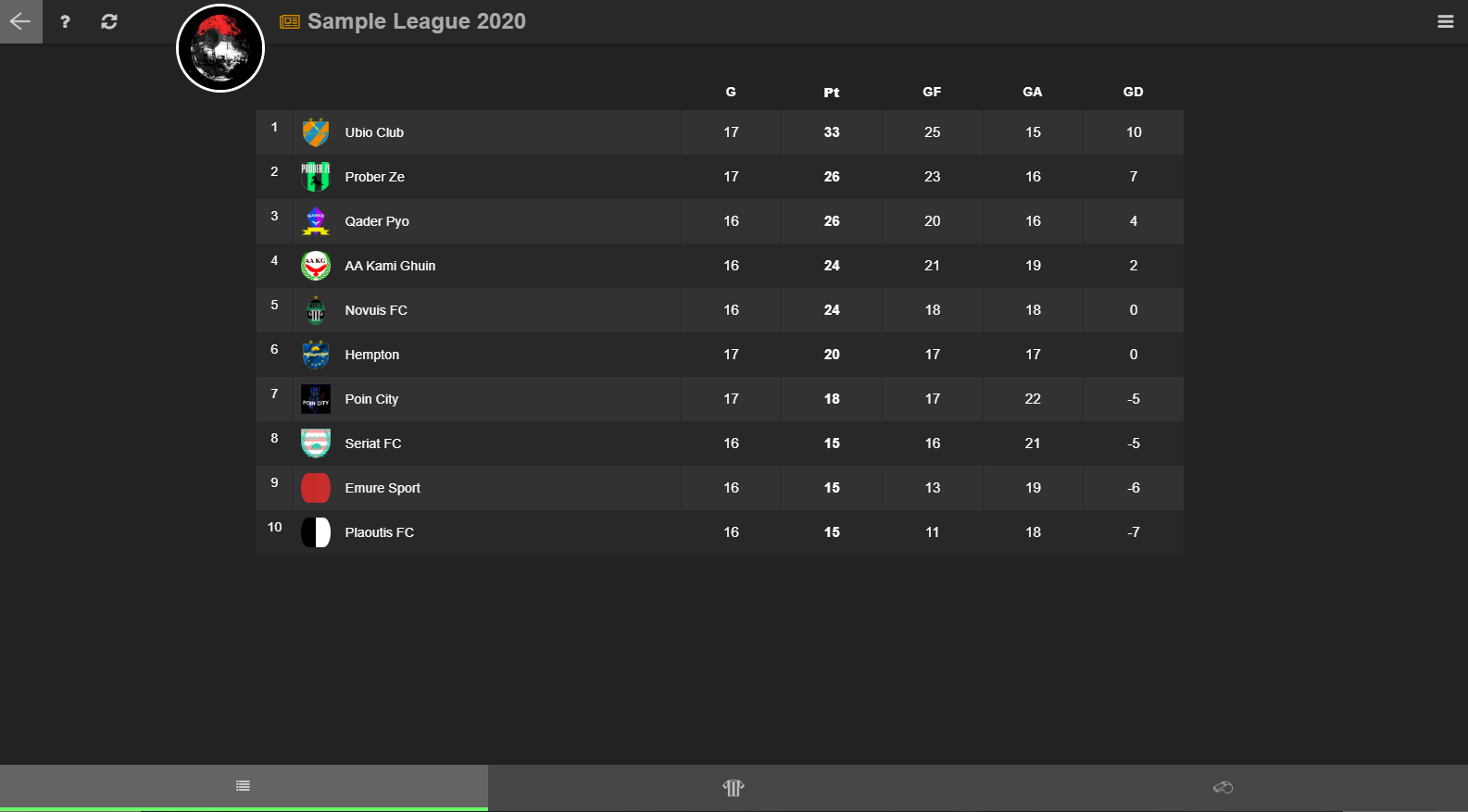
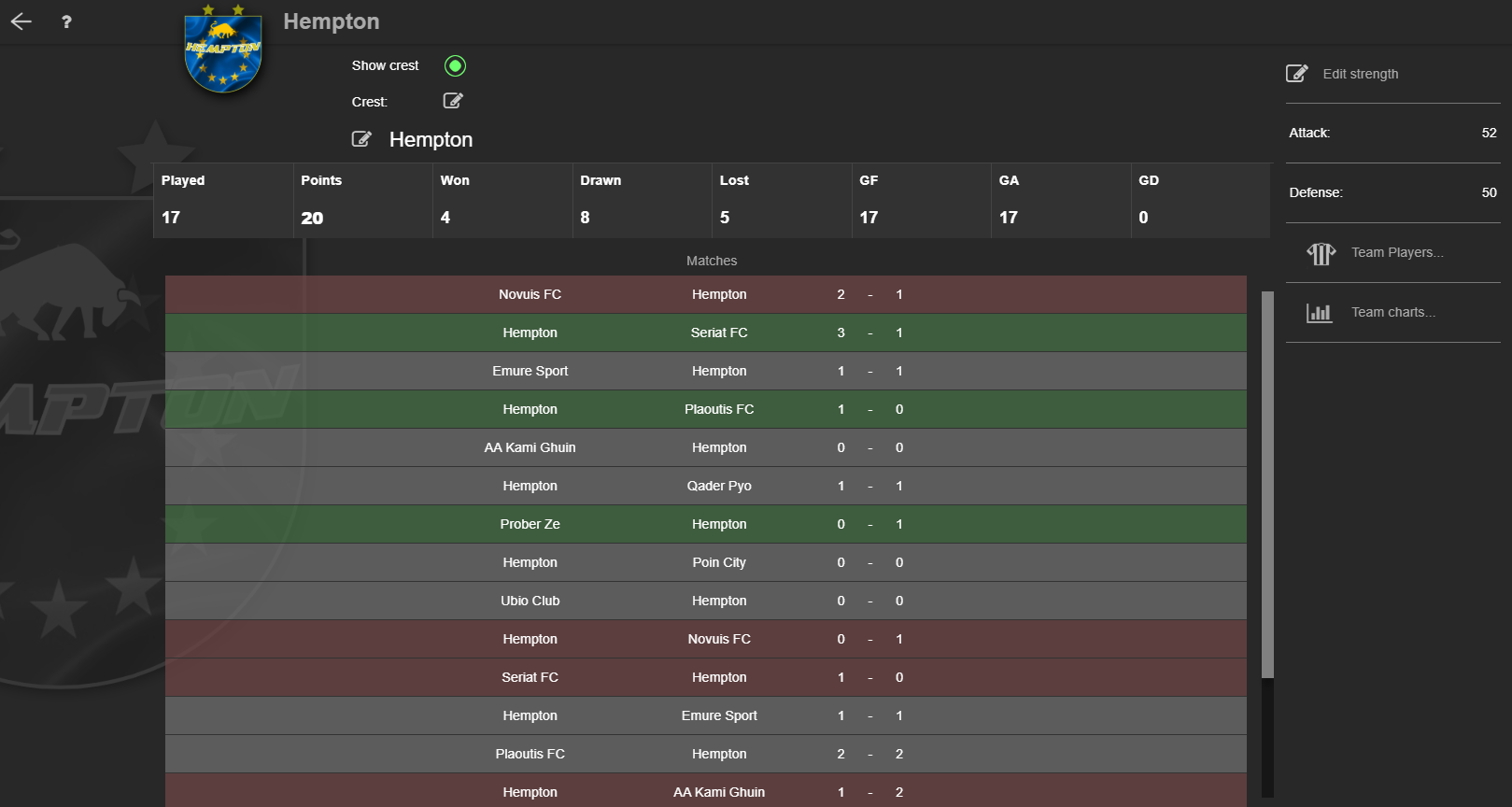
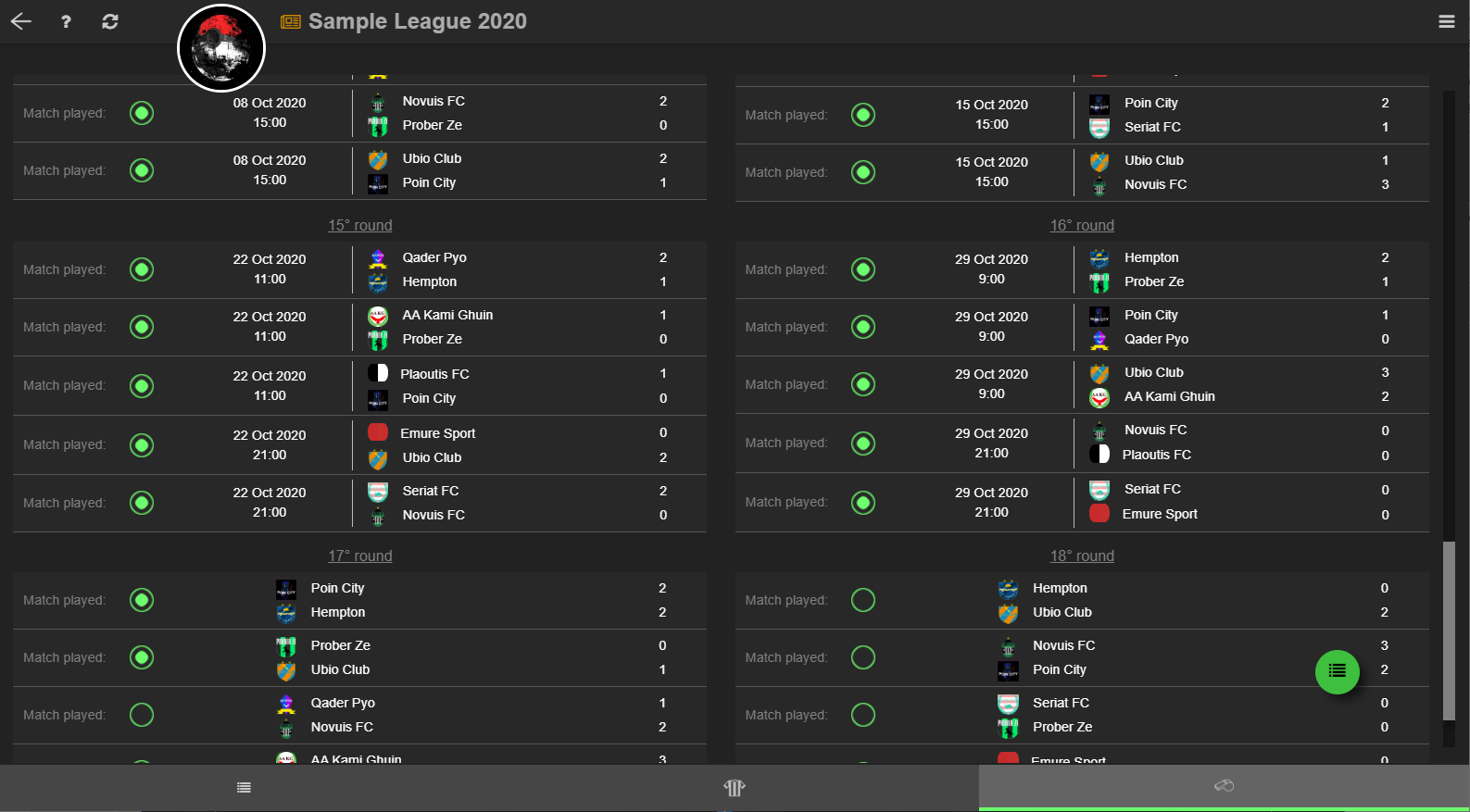
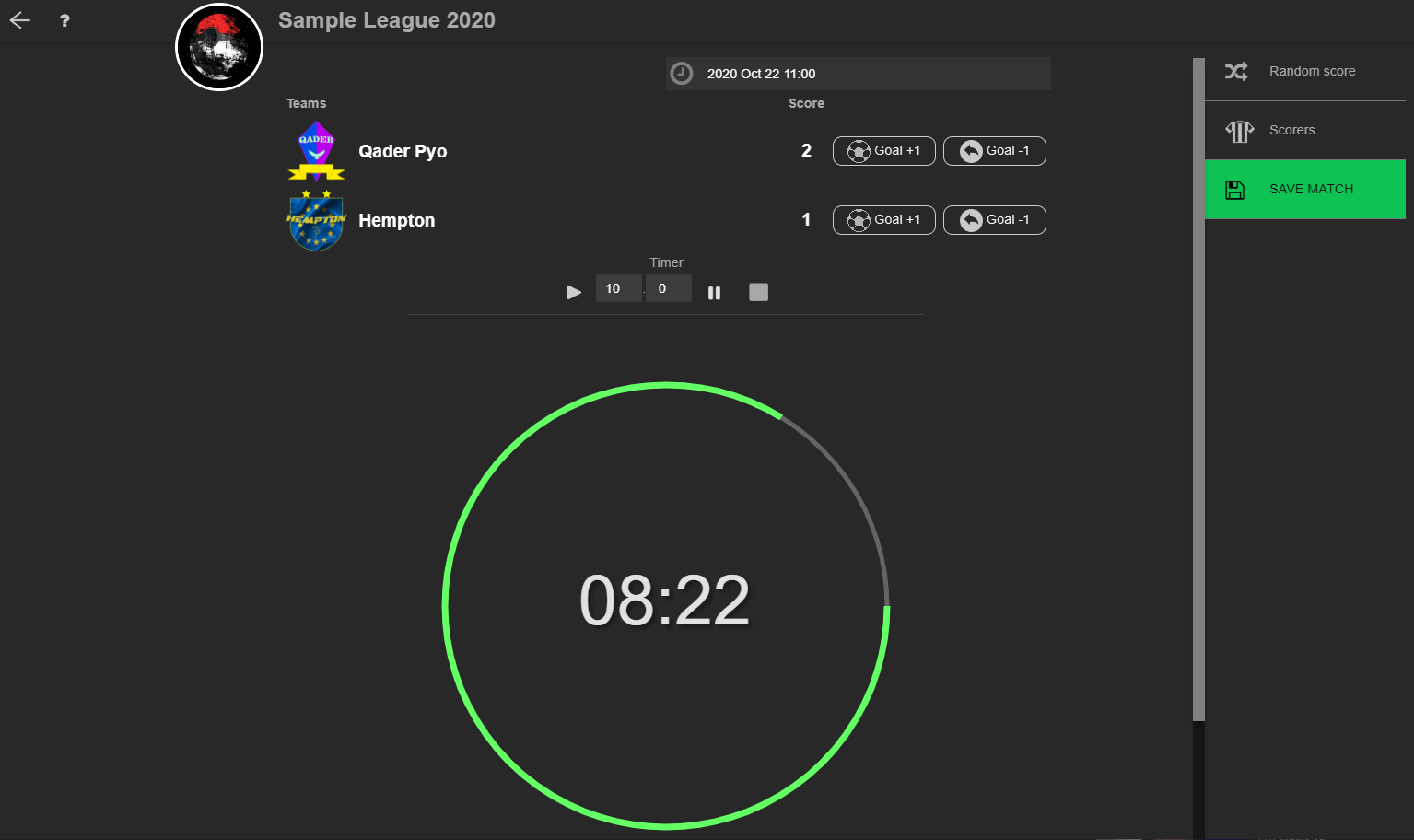
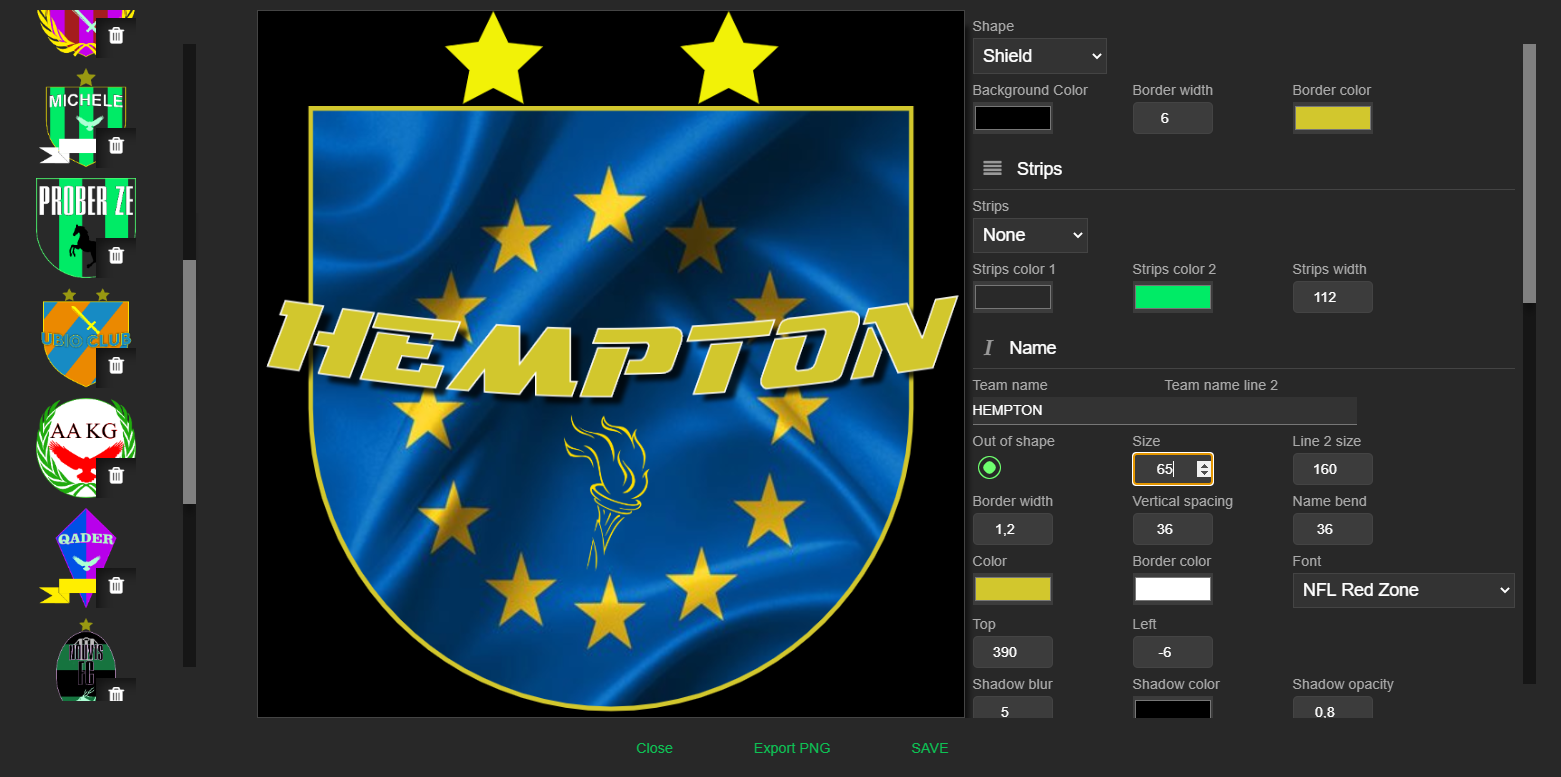
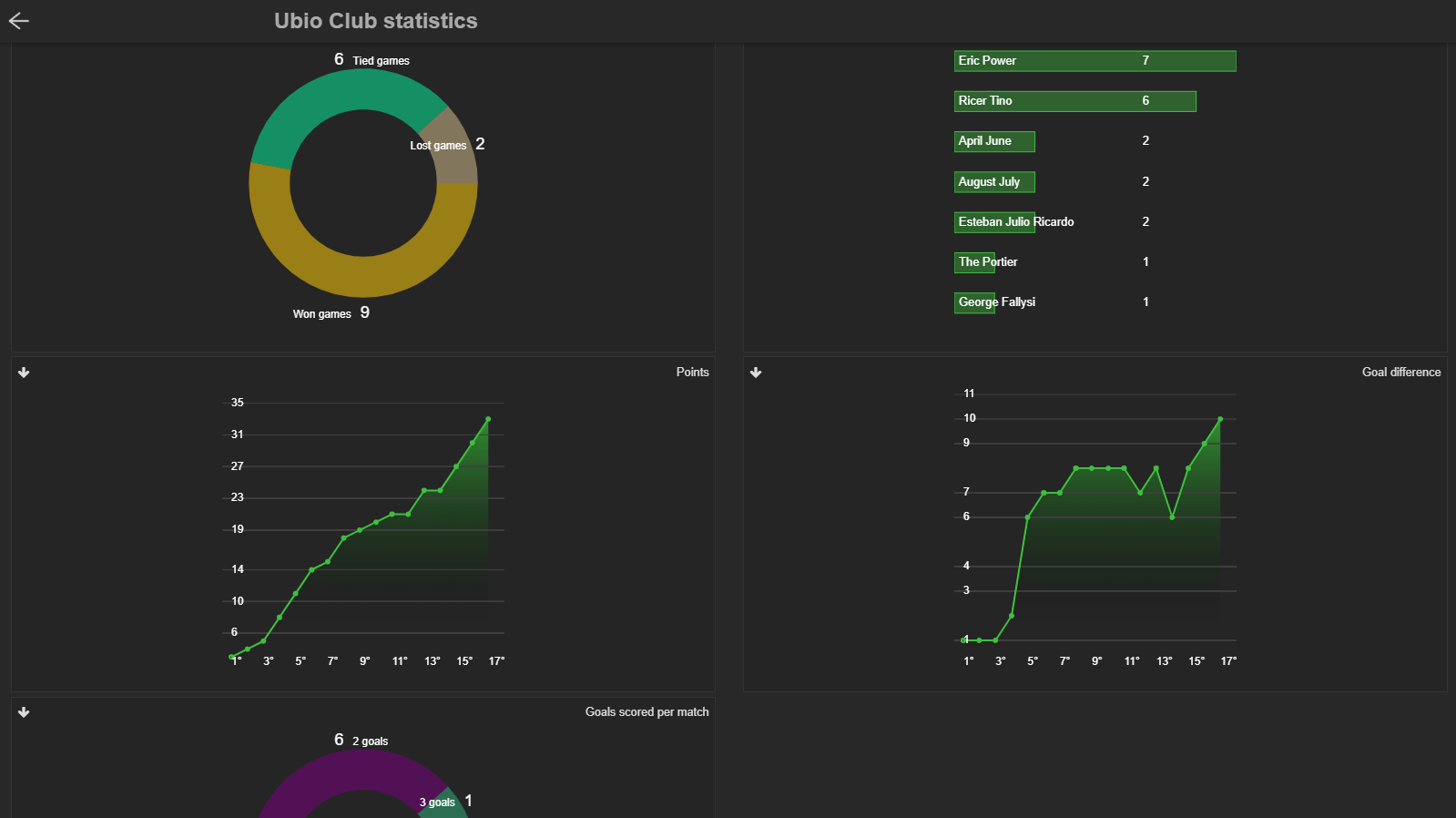
Windows Desktop Application screenshots
The issue is often centered on the "professionalization" of the tudung, with debates frequently arising over whether female employees in certain industries (like hospitality) are allowed to wear it, reflecting a clash between religious rights and corporate dress codes. 3. The Fashion "Sisterhood"
in Indonesia—reveal distinct social pressures and cultural trends as of early 2026. 1. Linguistic and Conceptual Differences Terminology : In Malaysia, the headscarf is primarily known as the . In Indonesia, it is most commonly referred to as the , or more recently, the broader term Social Meaning video mesum malaysia melayu jilbab link
The jilbab is not just cloth. In the relationship between Malaysia and Indonesia, it is a mirror reflecting each nation’s deepest insecurities. The issue is often centered on the "professionalization"
In both Malaysia and Indonesia, the jilbab has evolved from a strictly religious garment into a powerful symbol of identity. In the relationship between Malaysia and Indonesia, it
: In contrast, Indonesia's national motto, Bhinneka Tunggal Ika (Unity in Diversity), fosters a more pluralistic environment where the jilbab is one of many cultural markers rather than a strict legal requirement for ethnic identity. Historical Shifts and Political Resistance
However, in recent years, Malaysia has witnessed debates and controversies surrounding the jilbab, particularly in the context of national identity and unity. Some have argued that the jilbab is a symbol of Islamic extremism, while others see it as an essential aspect of Malay cultural heritage. The issue has been further complicated by the country's diverse ethnic and religious landscape, with some non-Muslim communities expressing concerns about the increasing visibility of Islam in public life.
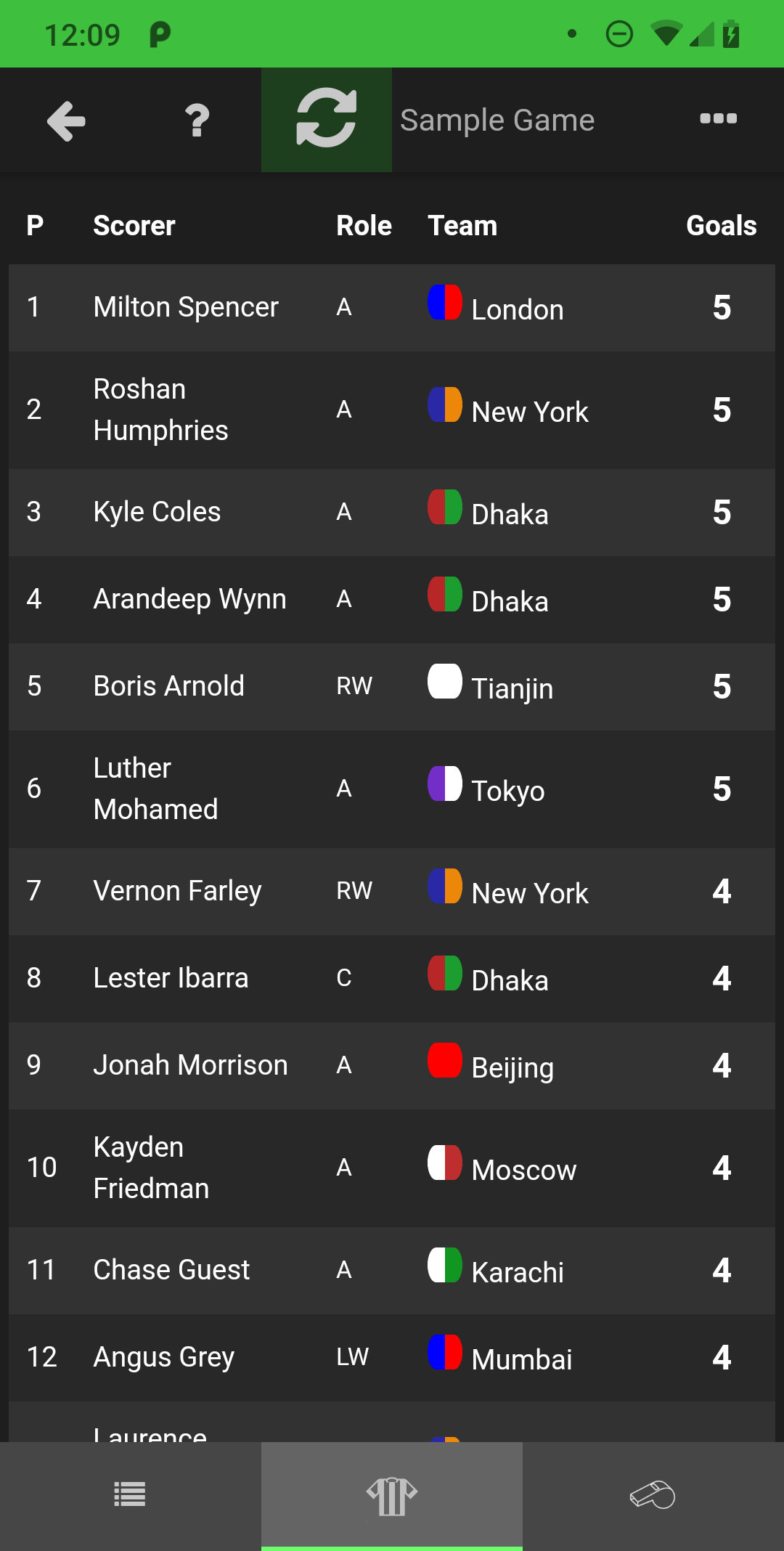
Windows Desktop Application screenshots
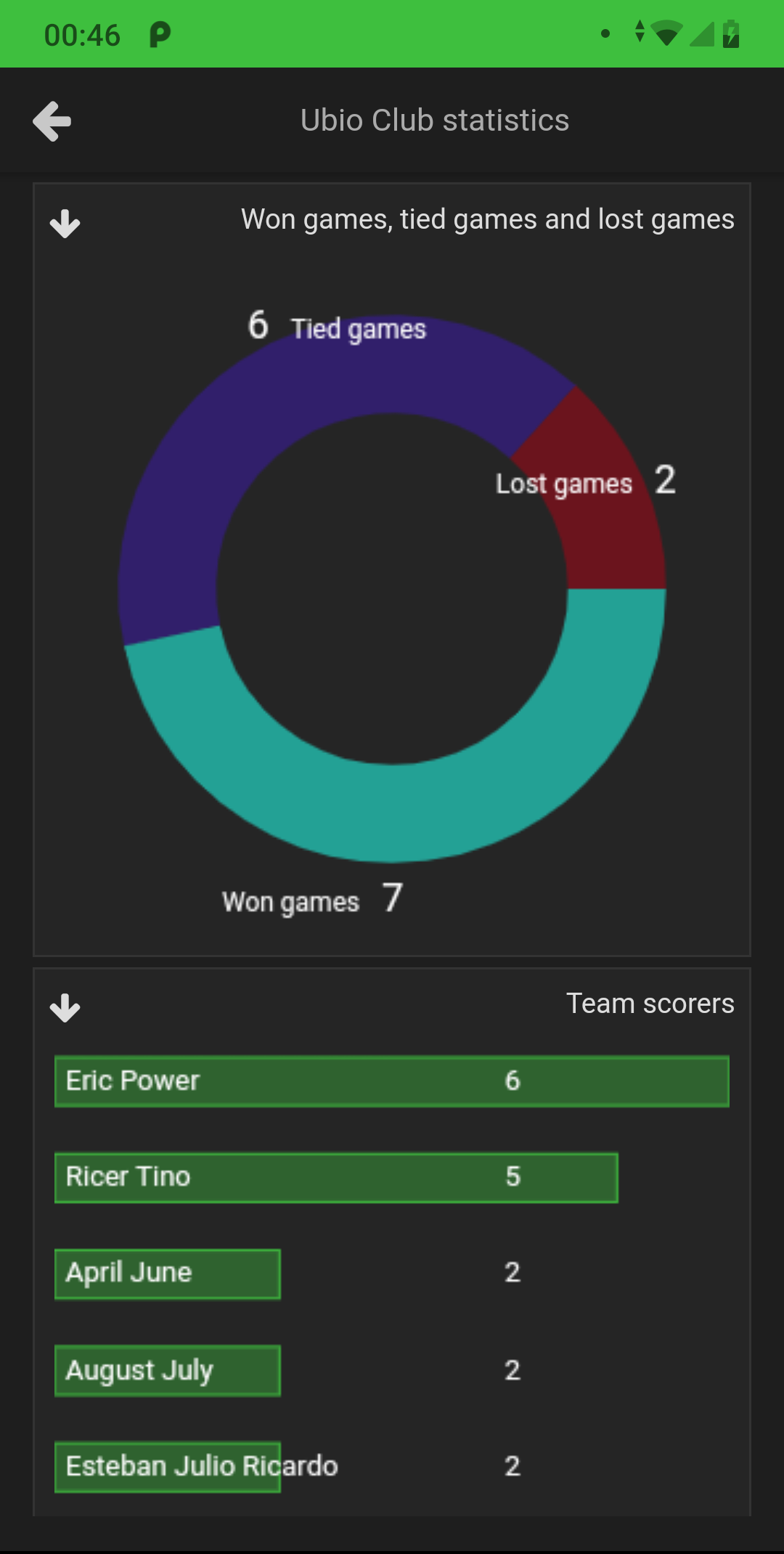
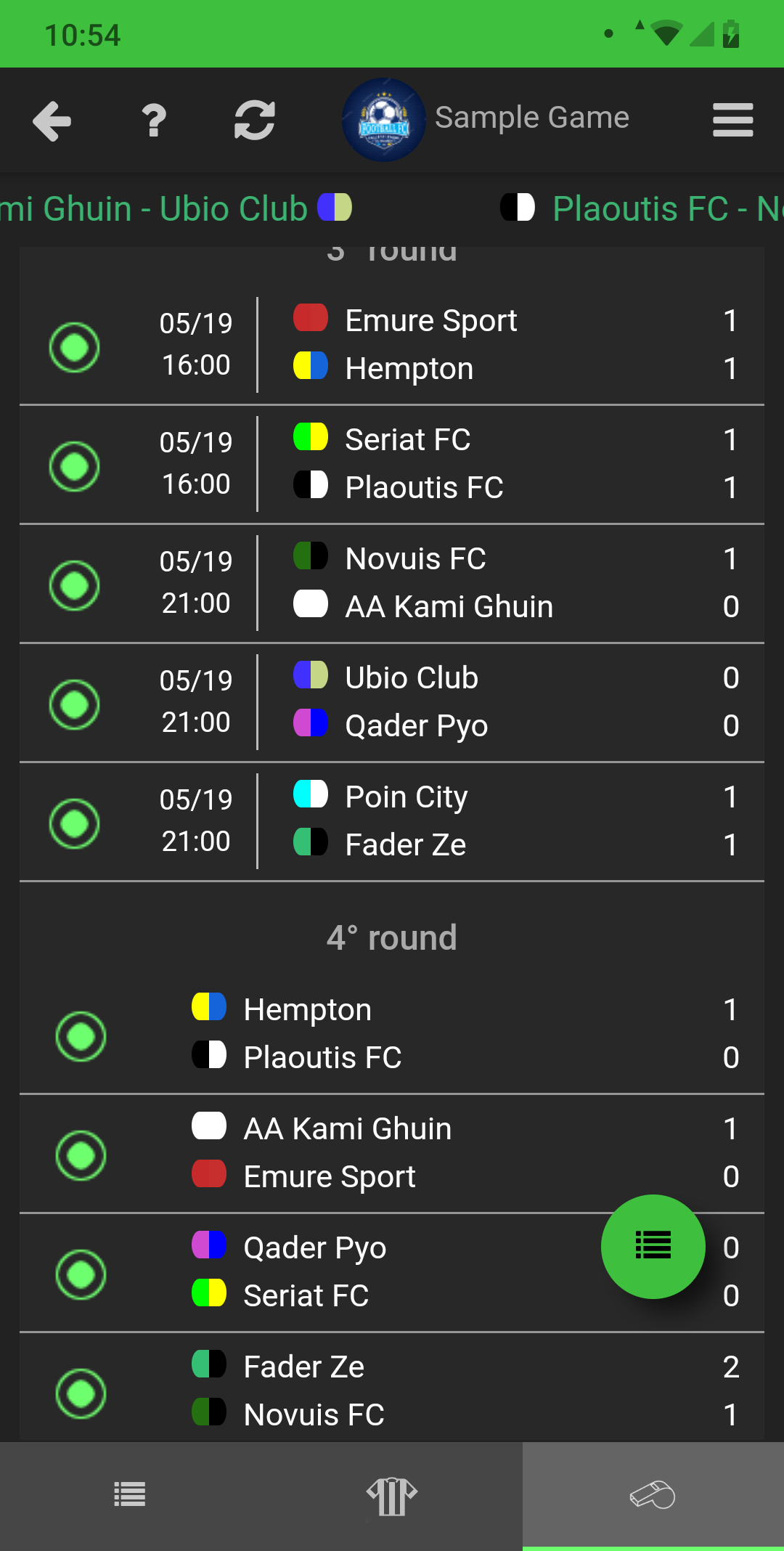
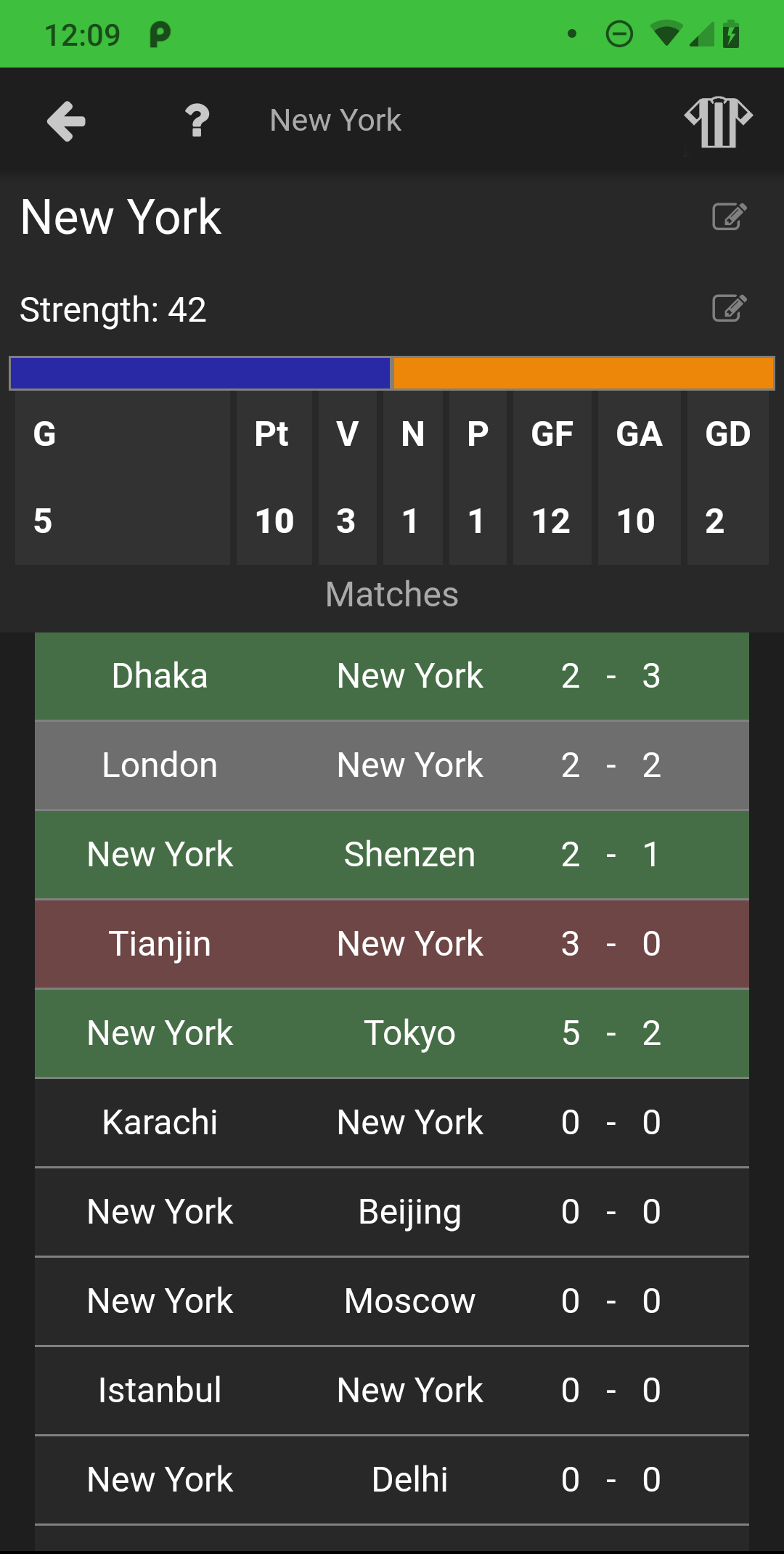
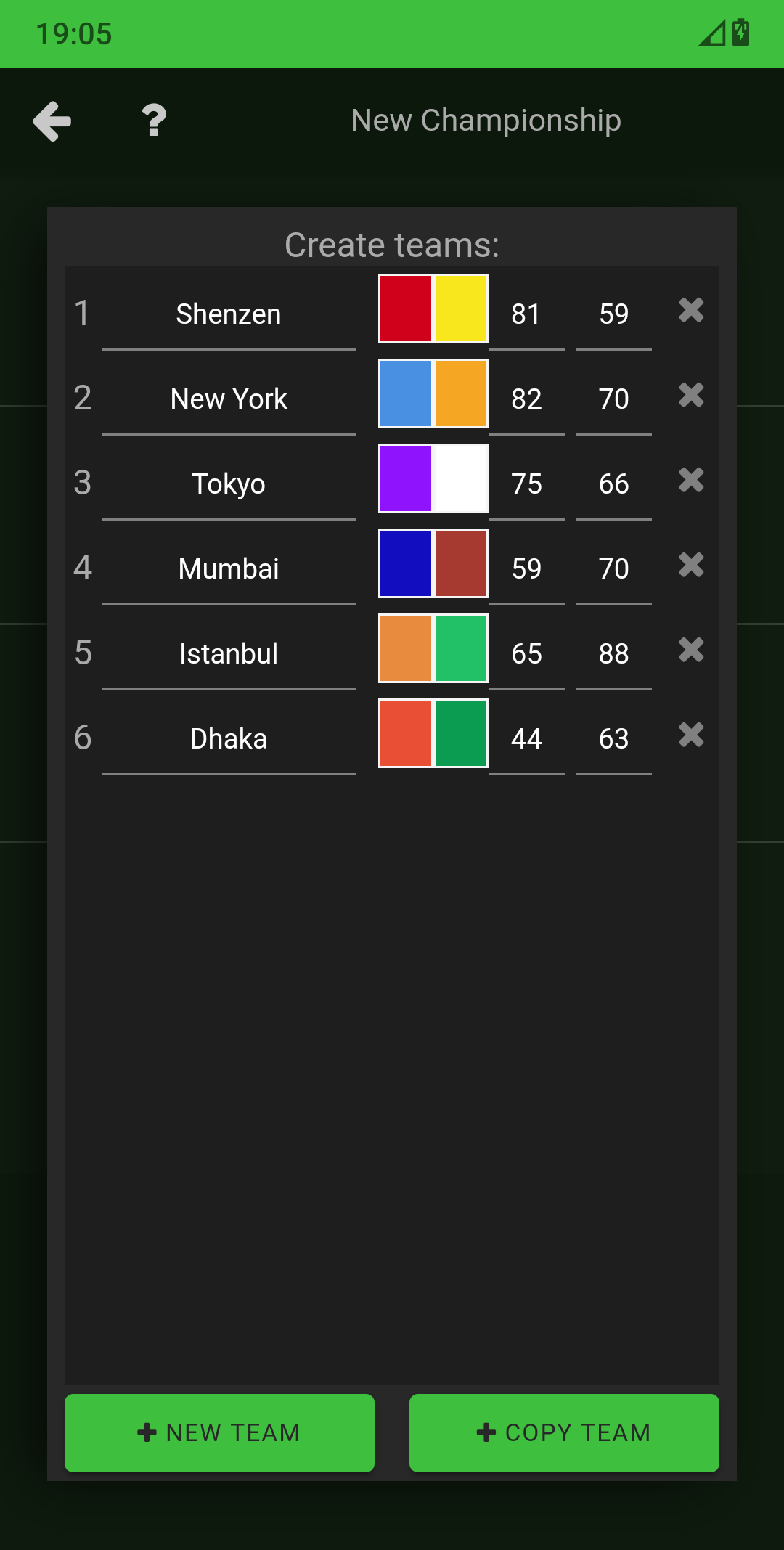
Android application screenshots